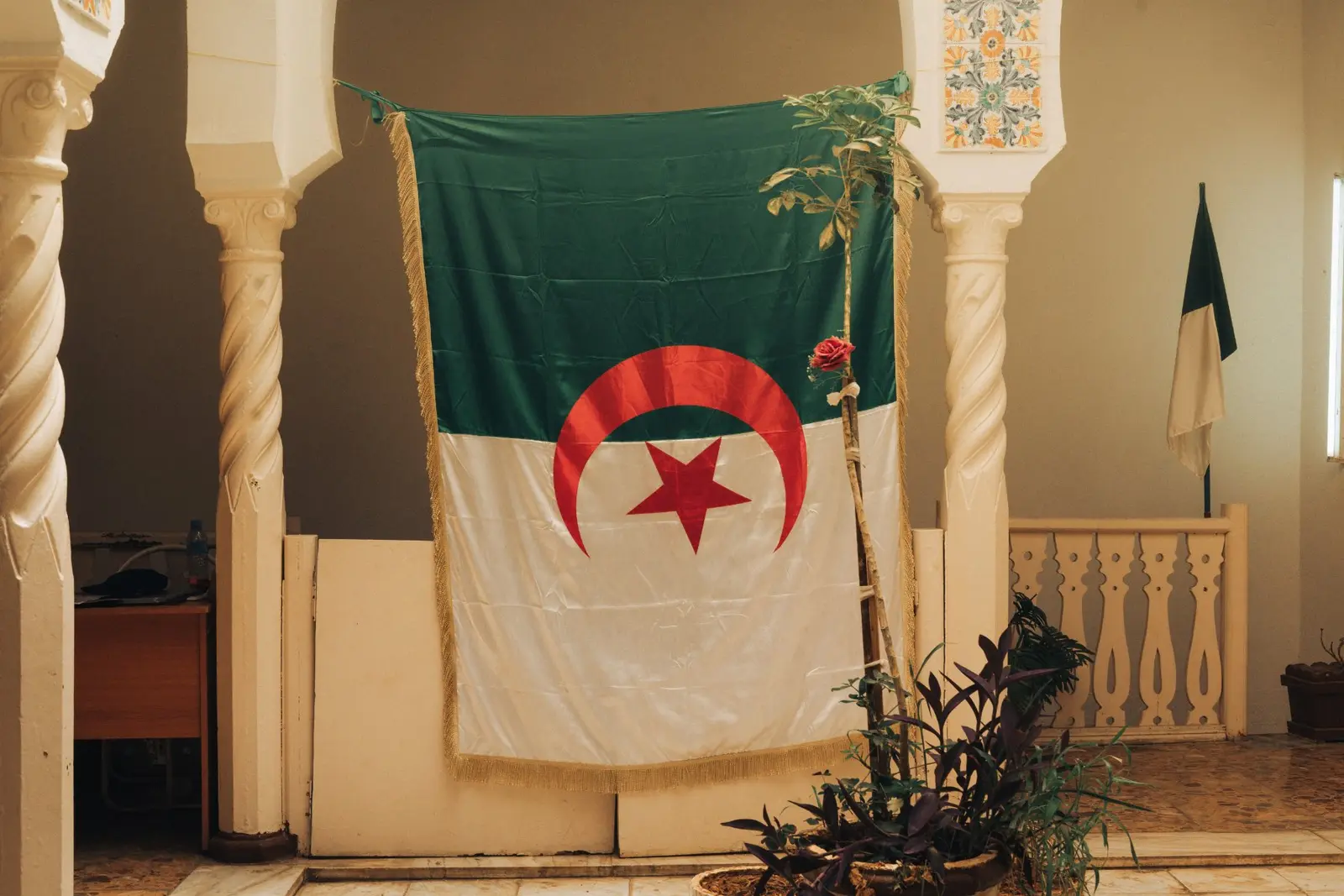
Since 9 July 2026, the apostille replaces consular legalisation for Algerian documents bound for signatory countries. What changes, and what is still worth checking.
For years, getting an Algerian document recognised abroad, or a foreign document recognised in Algeria, meant going through legalisation: a chain of successive stamps, often slow and sometimes ending in a refusal. Since 9 July 2026, Algeria applies the 1961 Hague Convention: for signatory countries, a single stamp, the apostille, replaces the chain of legalisations.
What changes in practice
- One stamp: the apostille certifies the authenticity of the signature and the capacity of the authority that issued the document. It replaces consular legalisation for Algerian documents bound for a signatory country.
- An online procedure: according to official announcements, requests go through the dedicated platform (apostille.gov.dz) or the authorised ministries, with a stamp available from tax offices and Algérie Poste.
- A scope that is widening: at launch, the documents covered come from five sectors (Interior and local authorities, Justice, Higher Education, National Education, Vocational Training). A roll-out to the other ministries is announced before the end of 2026.
What does not change
- Non-signatory countries: traditional legalisation through the Ministry of Foreign Affairs is still required.
- Translation: an Arabic document for a European administration usually still needs a sworn translation.
- The receiving administration's checks: it remains free to ask for a recent document (often under three to six months old) or a full copy rather than an extract.
Our advice
- Always ask the destination administration exactly what it requires: apostille alone, apostille plus translation, a recent document.
- Check that your document belongs to a sector already open to the apostille before starting.
- Do not throw away older legalised documents: acceptance may vary, so ask before redoing them.
- Keep a digital copy of every document, apostille included.
Timelines and procedures are indicative and are changing during this transition: confirm them on official sites when you act. At M&O Conseil we check the exact route (apostille, legalisation, translation) for each case before filing anything.
Nationality Package
Obtain your Algerian nationality certificate.