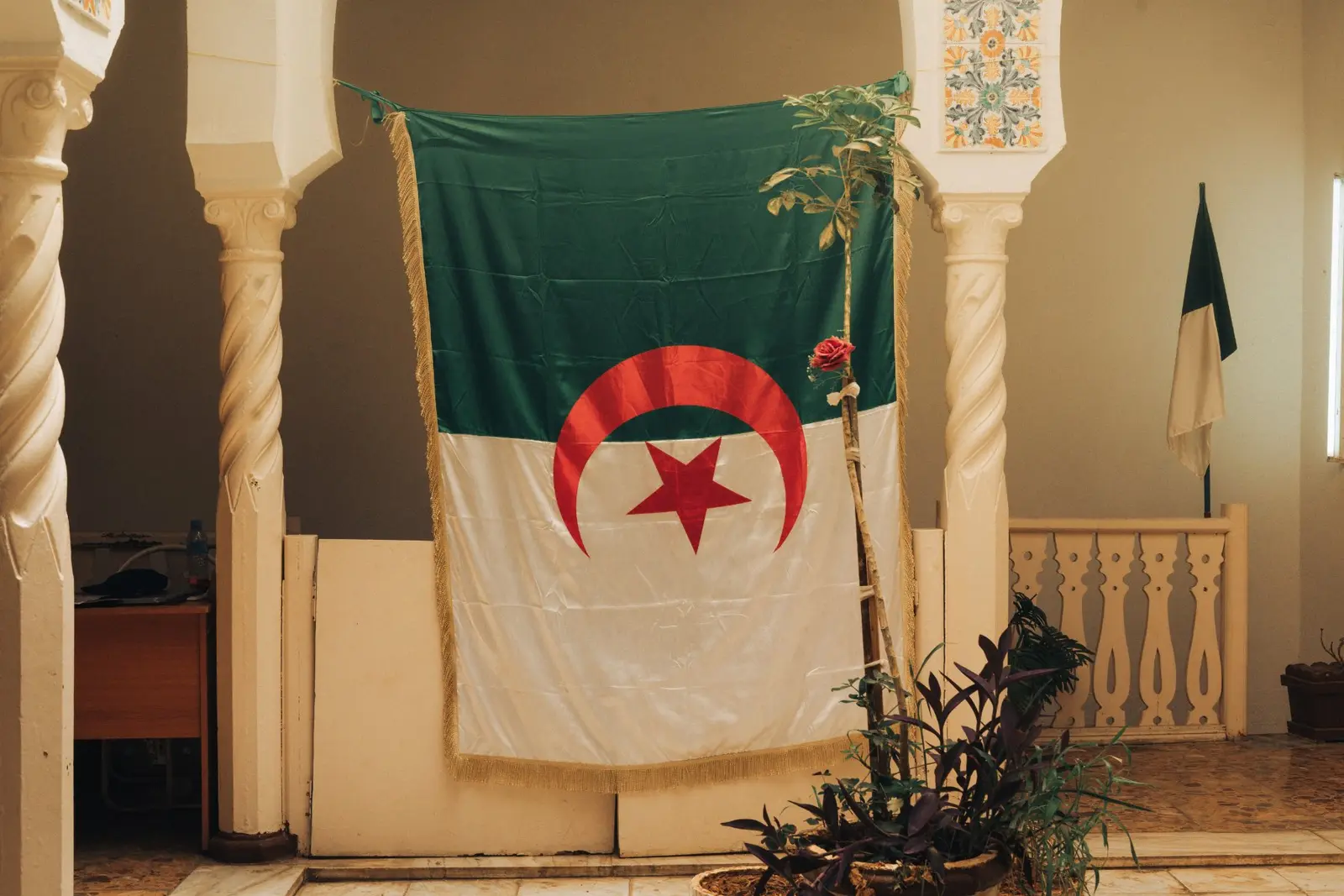
Born in Europe to an Algerian parent, how do you get your Algerian nationality formally recognized? The complete guide to your rights and the pitfalls to avoid.
A few months ago, a client based in Geneva contacted me convinced he had to "apply" for Algerian nationality, as if applying for naturalization. His father, though, was born in Constantine. This misunderstanding comes up constantly among dual nationals born and raised in Europe: they are already Algerian by full right, from birth, without formally knowing it.
"The question is almost never 'am I Algerian', it's 'does the Algerian administration already know it'. Those are two very different things, and confusing them costs many families months of delay."— Amine Soltani, co-founder of M&O Conseil
Blood Right, Not Place of Birth
The Algerian nationality code rests on the principle of jus sanguinis. If one of your parents is Algerian, so are you, regardless of your place of birth or your other nationality. The issue, then, isn't obtaining this nationality — you already hold it. It's having it formally recognized, through a certificate of nationality issued by an Algerian court, a document without which the administration considers it not yet "activated" in its records.
What This Recognition Actually Unlocks
Without this certificate, several procedures remain out of reach or fall under the regime applied to foreigners: unrestricted property purchase, company formation without foreign-investor status, an Algerian passport application. This document is the foundation everything else rests on. We cover this consequence in Buying Property in Algeria as a Dual National.
Case in point — Sarah (name changed), born in Brussels to an Algerian father, discovered this requirement when trying to buy an apartment in Oran for her retired parents. Her purchase was blocked for lack of a certificate of nationality, even though she had always assumed she was "obviously" Algerian. The case eventually went through, six months later than planned.
Two Paths, One Diagnosis
There is a standard judicial procedure and an alternative route, the lafif, applicable in certain specific situations. The choice between the two depends on your family configuration, not a preference for speed. We cover this distinction in Lafif or Judicial Procedure, Understanding the Two Paths.
The Trap of Document Inconsistencies
A name spelled differently from one document to the next, a date that doesn't match between two generations: this kind of discrepancy, common after several transcriptions across countries, can get a case rejected if filed late in the process. Catching it before filing changes the entire timeline.
Frequently Asked Questions
Am I automatically Algerian if my father is Algerian? Yes, by descent, from birth, regardless of place of birth or other nationality. This nationality still needs to be formally recognized to be enforceable before the Algerian administration.
My mother is Algerian but not my father — does that change anything? Maternal descent is recognized on equal footing with paternal descent under current Algerian law.
Does the certificate of nationality expire? No, it is a final judicial document.
The Bottom Line
If you were born in Europe to an Algerian parent, the question isn't whether you're Algerian — you already are. The real question is whether that nationality is formally recognized today, and which path fits your exact family situation.
Think you may be affected by a nationality-by-descent recognition? Book a discovery call for an initial assessment of your situation.
Nationality Package
Obtain your Algerian nationality certificate.